Hear From Our Happy Clients
Testimonials coming soon!
We Bring Our A-Game Every Service Call
Predictive maintenance alerts and the latest tech keep your space comfortable season after season.
You'll never miss a play in your HVAC game with real-time service updates and live tech tracking.
Stay in the lead with our Season Ticket Maintenance Plan – guaranteed peak performance and comfort.
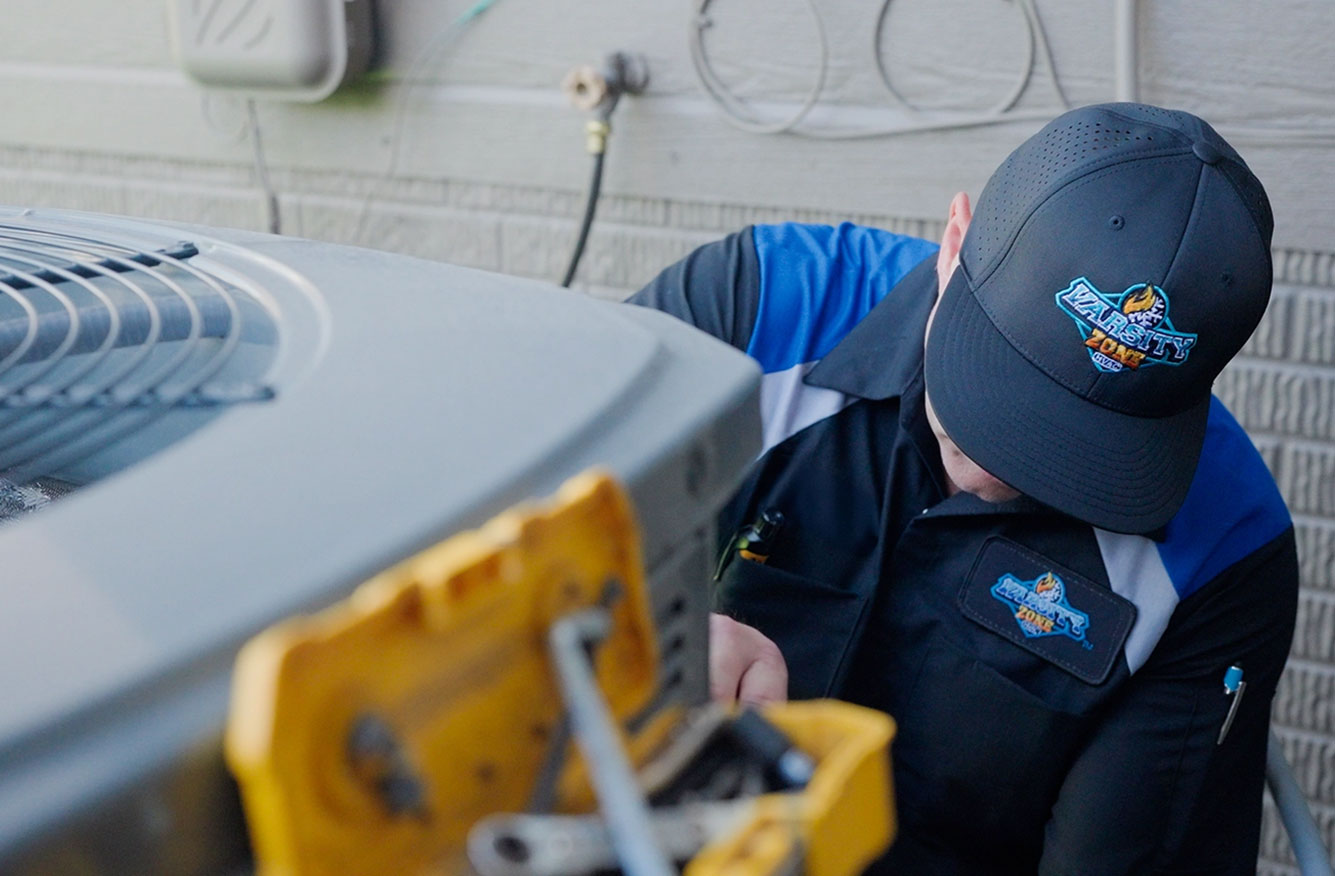
Our All-Star team goes above and beyond to deliver winning results – with a smile every visit.
Smart Thermostat Compatibility
The thermostat has to match the HVAC system it controls. Control voltage, wiring, heating and cooling stages, heat-pump functions, zoning, accessories, and the type of controls the equipment uses all affect compatibility.
- Conventional furnace and AC systems: Many low-voltage smart thermostats work when the wiring, stages, power, and equipment configuration match.
- Heat pumps: The thermostat may need reversing-valve control, compressor staging, auxiliary heat, emergency heat, or dual-fuel logic.
- Zoned systems: Zone panels, multiple thermostats, sensors, dampers, and equipment stages all affect control requirements.
- Communicating HVAC equipment: Some systems require a manufacturer-specific controller or approved interface rather than a standard replacement thermostat.
- Line-voltage heating: Many common smart thermostats are designed for low-voltage HVAC controls and are not direct replacements for 120- or 240-volt thermostats.
Thermostat Wiring and Power
Many residential HVAC systems use low-voltage thermostat wiring, but the terminals and power requirements vary. A C-wire provides continuous low-voltage power for thermostats that require one, while some models work without a dedicated C-wire or use an approved power accessory.
Wire color alone is not enough to confirm a connection. Existing thermostat terminals should be checked against the actual HVAC control board and equipment configuration before a new thermostat is wired and programmed.
Smart Thermostat Features
The useful features depend on the thermostat model and the HVAC system connected to it. Common options include:
- Wi-Fi and app-based temperature control
- Programmable schedules
- Geofencing or occupancy features
- Remote room sensors
- Filter reminders and system alerts
- Voice-assistant or smart-home integration
- Compatible humidity or ventilation controls
Connected features are useful, but correct HVAC control comes first. A thermostat should still call for heating, cooling, fan operation, stages, and heat-pump functions properly even when app or Wi-Fi features are not in use.
Smart Thermostat Installation and Setup
Professional installation should confirm the HVAC system before anything is disconnected. The work may include:
- Identifying the heating and cooling equipment and control type
- Mapping the existing thermostat wiring
- Checking power and C-wire requirements
- Installing and wiring the new thermostat
- Configuring stages, heat-pump logic, fan control, zoning, and accessories
- Connecting Wi-Fi, apps, sensors, and schedules where requested
- Testing heating, cooling, fan operation, and other supported functions
Smart Thermostat Troubleshooting
A thermostat problem may come from the control itself, its power supply, wiring, configuration, network connection, sensors, or the HVAC equipment it operates. Common symptoms include a blank display, incorrect temperature readings, lost Wi-Fi, heating or cooling that does not respond, short cycling, or unexpected stage operation.
Testing the thermostat together with the HVAC system helps avoid replacing a control when the actual fault sits elsewhere in the equipment or wiring.
Smart Thermostats and Energy Use
Schedules, setbacks, occupancy features, and remote access can help reduce unnecessary heating or cooling when they are used well. Actual energy savings still depend on the building, HVAC equipment, climate, setpoints, occupancy, and how the previous thermostat was used.
Useful features only help when the thermostat controls the HVAC system correctly. Once the control setup is right, schedules and connected features have a solid foundation.
Frequently Asked Questions About Smart Thermostats
Are smart thermostats actually worth it?
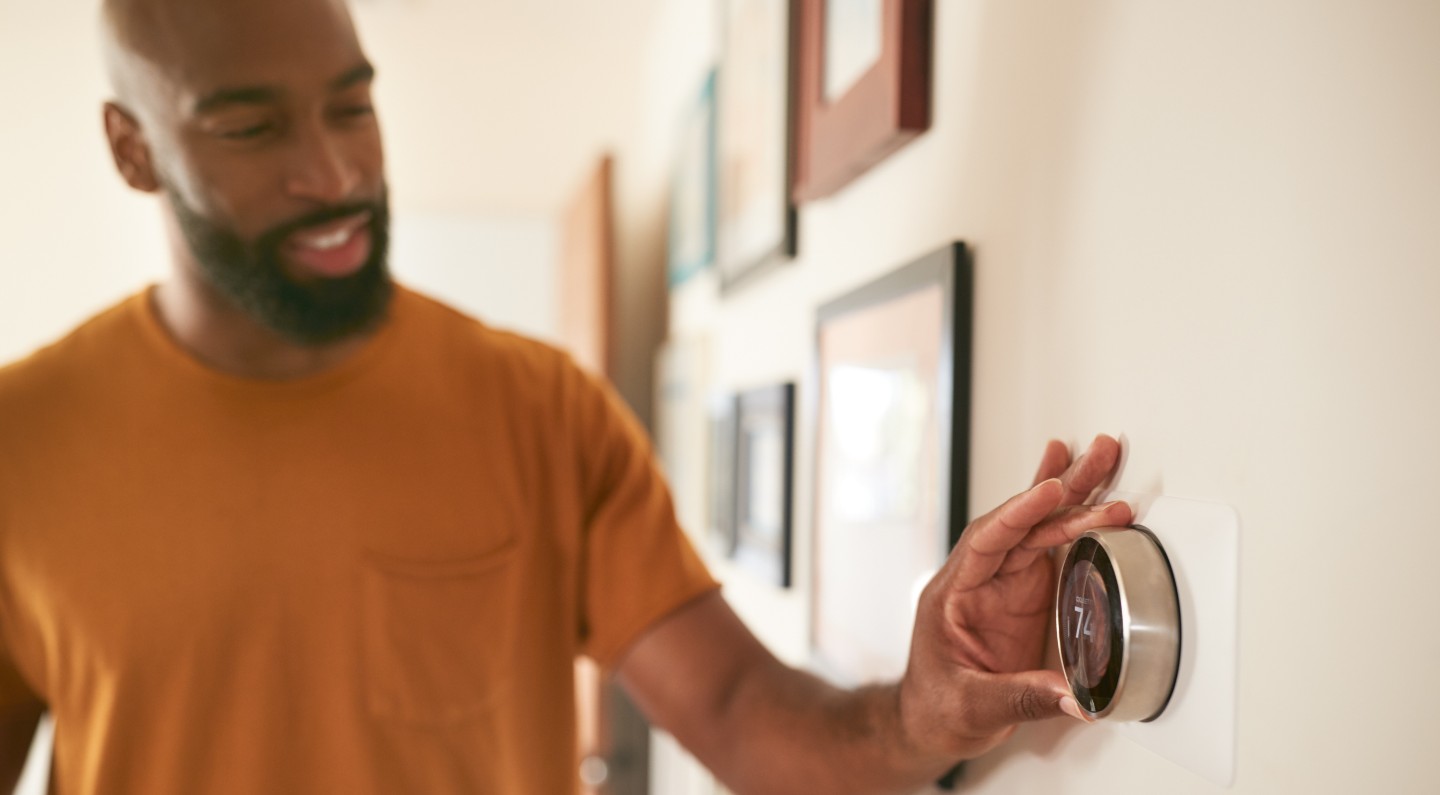
A smart thermostat is most useful when you will use the scheduling, remote access, sensors, alerts, or automation features and the thermostat matches your HVAC system. The value depends on how you use the control, not simply on replacing a standard thermostat with a connected one.
What exactly does a smart thermostat do?
A smart thermostat controls compatible heating and cooling equipment like a standard thermostat while adding connected features such as app access, schedules, alerts, sensors, geofencing, or automation depending on the model.
Can I replace my regular thermostat with a smart thermostat?
Often, yes, but not every smart thermostat works with every HVAC system. Wiring, power, equipment stages, heat-pump controls, zoning, accessories, line voltage, and proprietary communicating controls all affect compatibility.
What are the downsides of smart thermostats?
They cost more than basic thermostats, some features rely on Wi-Fi or an app, and installation becomes more complicated when wiring or HVAC compatibility is limited. An incompatible thermostat can also remove system features or control equipment incorrectly.
Do you have to pay a monthly fee for a smart thermostat?
Not necessarily. Many smart thermostats provide core temperature control, scheduling, and app functions without a monthly fee, while some brands or connected services may charge for optional features. Check the specific model and service before choosing one.
Do I need an electrician to install a smart thermostat?
Not always. Many smart thermostats connect to low-voltage HVAC controls, but the installer still needs to understand the heating and cooling equipment, wiring, power, and configuration. Line-voltage controls or other electrical work may require an appropriately qualified electrician.
Related Heating and Cooling Services
- Heat Pumps – Heating and cooling systems with thermostat requirements for reversing valves, auxiliary heat, and staging.
- Heating Services – Furnace and heating-system support when thermostat problems involve the equipment being controlled.
- Cooling Services – Air-conditioning support when thermostat calls, stages, or cooling response do not work as expected.
Explore Our Family Of Brands