Why Codes and Permits Matter
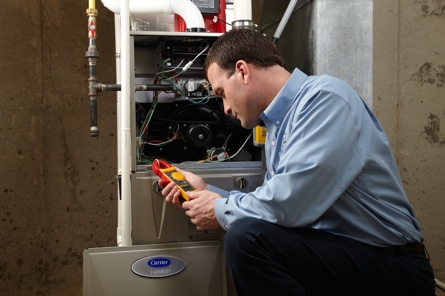
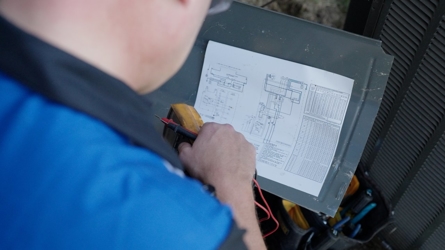
When you replace or install an HVAC system, it’s not just about choosing the right equipment — it’s also about meeting local regulations. Permits and code compliance protect your safety, your investment, and your home’s resale value.
?️ Common HVAC Permits in Texas
- Installation Permit: Required for new systems, replacements, and major ductwork modifications.
- Electrical Permit: Needed if wiring or circuits are upgraded.
- Mechanical Permit: Covers the installation of heating, cooling, and ventilation equipment.
Licensed contractors handle these permits for you — one more reason to work with a licensed contractor who understands local regulations.
? Key Texas HVAC Codes Homeowners Should Know
- Equipment Size and Efficiency Standards — Systems must meet federal SEER and HSPF requirements.
- Refrigerant Handling Laws — Only certified technicians may handle refrigerants.
- Duct Sealing and Insulation — Proper sealing prevents energy loss and ensures comfort.
- Ventilation and Combustion Air Rules — Ensures safe furnace and gas appliance operation.
- Inspection Requirements — City or county inspectors verify compliance before final approval.
? How Varsity Zone HVAC Keeps You Code-Compliant
We stay up to date with Fort Worth, Tarrant, and Parker County regulations — managing all permits, scheduling inspections, and ensuring your installation meets every code.
Avoid costly rework or safety issues by choosing a pro who understands the process from start to finish.
? Call Varsity Zone HVAC for compliant, stress-free installations.