
Hear From Our Happy Clients
Testimonials coming soon!
We Bring Our A-Game Every Service Call
Predictive maintenance alerts and the latest tech keep your space comfortable season after season.
You'll never miss a play in your HVAC game with real-time service updates and live tech tracking.
Stay in the lead with our Season Ticket Maintenance Plan – guaranteed peak performance and comfort.
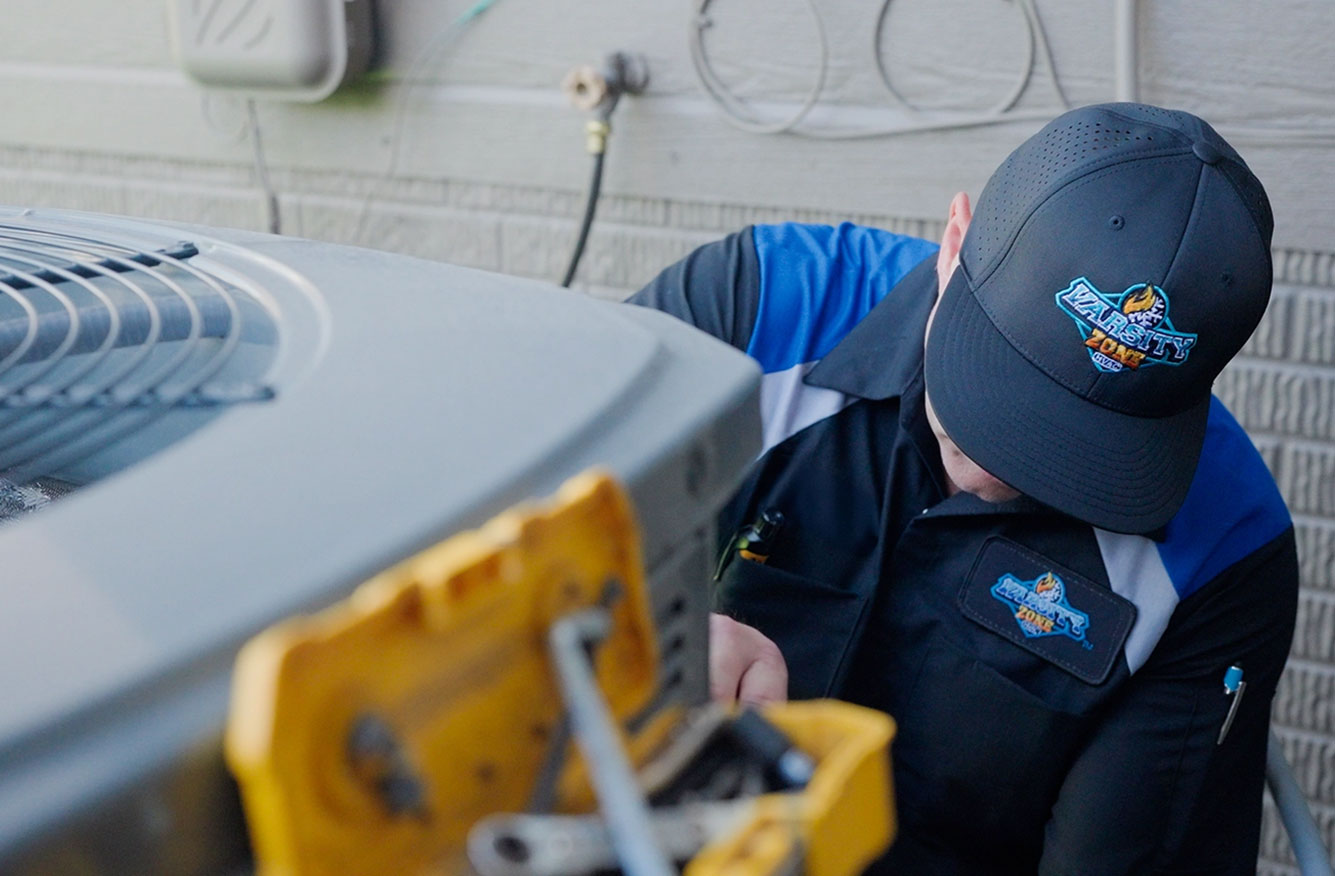
Our All-Star team goes above and beyond to deliver winning results – with a smile every visit.
How Ductless Mini-Split Systems Work
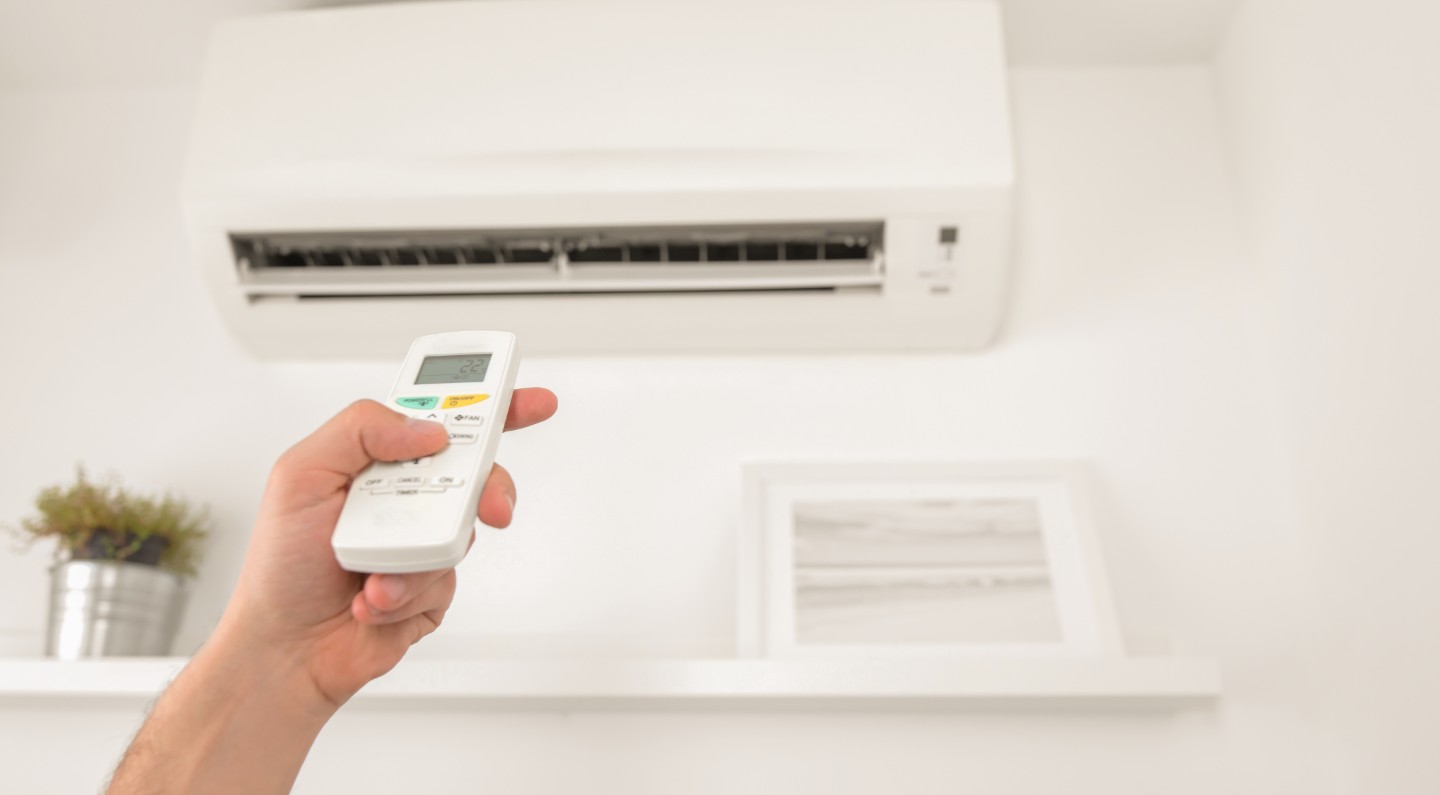
A ductless mini-split connects one or more indoor units to outdoor equipment through refrigerant piping, electrical wiring, and controls. Each indoor unit conditions the air in its own zone instead of relying on a central duct system.
Cooling-only mini-splits move heat from the room to the outdoor unit. Ductless heat pumps can reverse that process to provide heating as well as cooling.
Single-Zone and Multi-Zone Mini-Splits
The number of rooms you want to condition affects how the system is designed. A single-zone system connects one indoor unit to one outdoor unit, while a compatible multi-zone system can connect several indoor units to one outdoor unit.
- Wall-mounted units: A common option that delivers air directly into the room.
- Ceiling cassette units: Installed in suitable ceiling spaces to distribute air from above.
- Floor-console units: Useful where wall or ceiling placement is less practical.
- Concealed compact-duct units: Some systems can use short duct runs to serve one area or a small group of rooms.
Mini-Split Installation and Sizing
A mini-split should be selected for the heating or cooling load of the space rather than by square footage alone. Room size, insulation, windows, sun exposure, air leakage, ceiling height, climate, and how the room is used can all affect capacity.
Installation planning also has to account for indoor-unit placement, outdoor-unit location, line-set routing, electrical service, condensate drainage, control wiring, service access, and the combined load on multi-zone systems.
When Your Mini-Split Needs Service
Changes in temperature, airflow, drainage, sound, or controls can all point to a problem with your mini-split. Common signs include:
- Your mini-split is not cooling or heating properly
- Airflow from the indoor unit is weak
- Water is leaking from an indoor unit
- The indoor coil is freezing
- The outdoor unit is not running
- An error or communication code appears
- The remote or wall control is not responding
- You hear new noises or vibrations
- One zone behaves differently from the others
Ductless Mini-Split Repair and Maintenance
Repair can involve refrigerant-system faults, fans, sensors, control boards, communication wiring, condensate drainage, electrical components, or problems with the indoor or outdoor unit.
Routine maintenance can include filter care, coil inspection, blower cleaning where appropriate, drain checks, electrical inspection, controls, refrigerant-system condition, temperature checks, and airflow verification.
Mini-Split Efficiency and Electricity Use
Many ductless mini-splits use inverter-driven compressors that adjust output as the heating or cooling demand changes. That can reduce the need for repeated full-speed starts and stops, but actual electricity use still depends on the system size, outdoor conditions, temperature settings, insulation, operating hours, maintenance, and how many zones are running.
If your electric bill rises unexpectedly, the cause may be longer runtimes, extreme weather, high setpoint differences, dirty filters or coils, installation or sizing issues, auxiliary heating on applicable systems, or another fault that deserves inspection.
Frequently Asked Questions About Ductless Mini-Splits
Is a ductless mini-split worth it?
A mini-split can be a good fit when you need heating or cooling in a space that is difficult to serve with central ductwork, want separate control for specific rooms, or are adding comfort to a new or converted space. The value depends on the property, number of zones, installation requirements, energy costs, and how you plan to use the system.
Why is my electric bill so high with a mini-split?
High electricity use can come from long runtimes, extreme outdoor temperatures, aggressive thermostat settings, dirty filters or coils, poor sizing, control settings, building heat loss, or a system problem. Comparing recent operating changes and having the mini-split checked can help narrow down the cause.
What is the average cost to install a mini-split system?
There is no single installation price because the total depends on the number of zones, equipment capacity, indoor-unit type, electrical work, line-set length, condensate routing, mounting requirements, and local labor. A single-zone installation and a multi-zone project can differ substantially.
Are mini-splits good for older homes?
They can be. Ductless systems are often considered in older homes that do not have central ductwork or where adding new ducts would be difficult. The right design still depends on the building’s heating and cooling loads, electrical capacity, available equipment locations, and insulation and air-sealing conditions.
How do ductless mini-split systems work?
A mini-split uses an outdoor unit and one or more indoor units connected by refrigerant piping, wiring, and controls. The refrigerant system moves heat between indoors and outdoors, while each indoor unit conditions its own zone.
Do mini-split systems run all the time?
Some inverter-driven mini-splits run for long periods at reduced capacity instead of switching fully on and off. Long, steady operation can be normal when the system is matching the load, but a unit that runs continuously without maintaining the set temperature may need inspection.
Related Heating & Cooling Services
- Cooling Services – Central air conditioning repair, maintenance, replacement, and broader cooling support.
- Smart Thermostats – Connected temperature controls and compatibility for supported HVAC systems.
- Indoor Air Quality – HVAC-related help with filtration, humidity, ventilation, and air-cleaning concerns.
Explore Our Family Of Brands