Hear From Our Happy Clients
Testimonials coming soon!
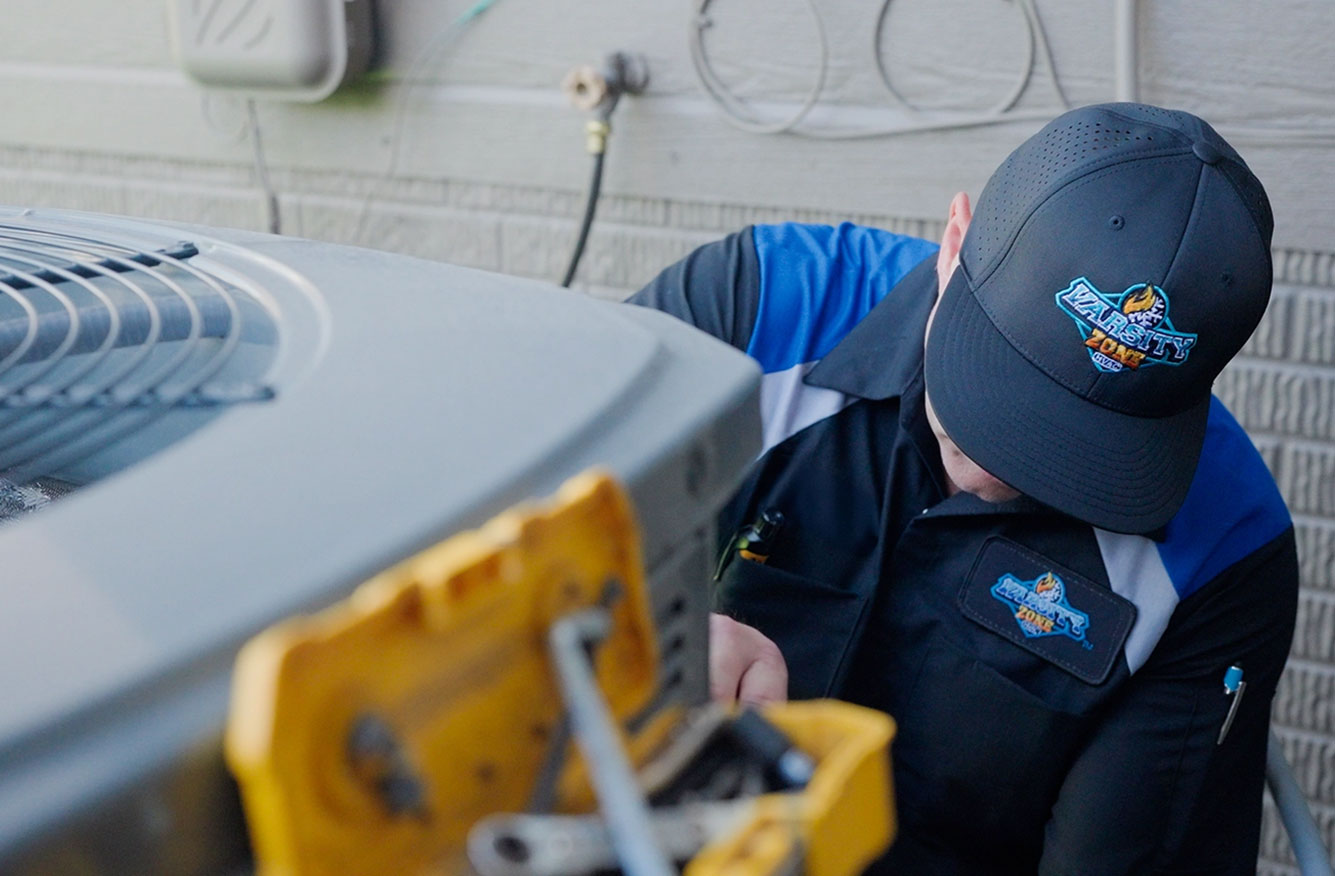
We Bring Our A-Game Every Service Call
Predictive maintenance alerts and the latest tech keep your space comfortable season after season.
You'll never miss a play in your HVAC game with real-time service updates and live tech tracking.
Stay in the lead with our Season Ticket Maintenance Plan – guaranteed peak performance and comfort.
Our All-Star team goes above and beyond to deliver winning results – with a smile every visit.
Choosing the Right Type of Heating Equipment
The right heating option depends on your home or business, heating load, energy source, ductwork or other distribution system, electrical capacity, controls, and the HVAC equipment you already have.
- Electric heating: Electric-resistance equipment can include electric furnaces, compatible air-handler heat kits, and other electric heating configurations.
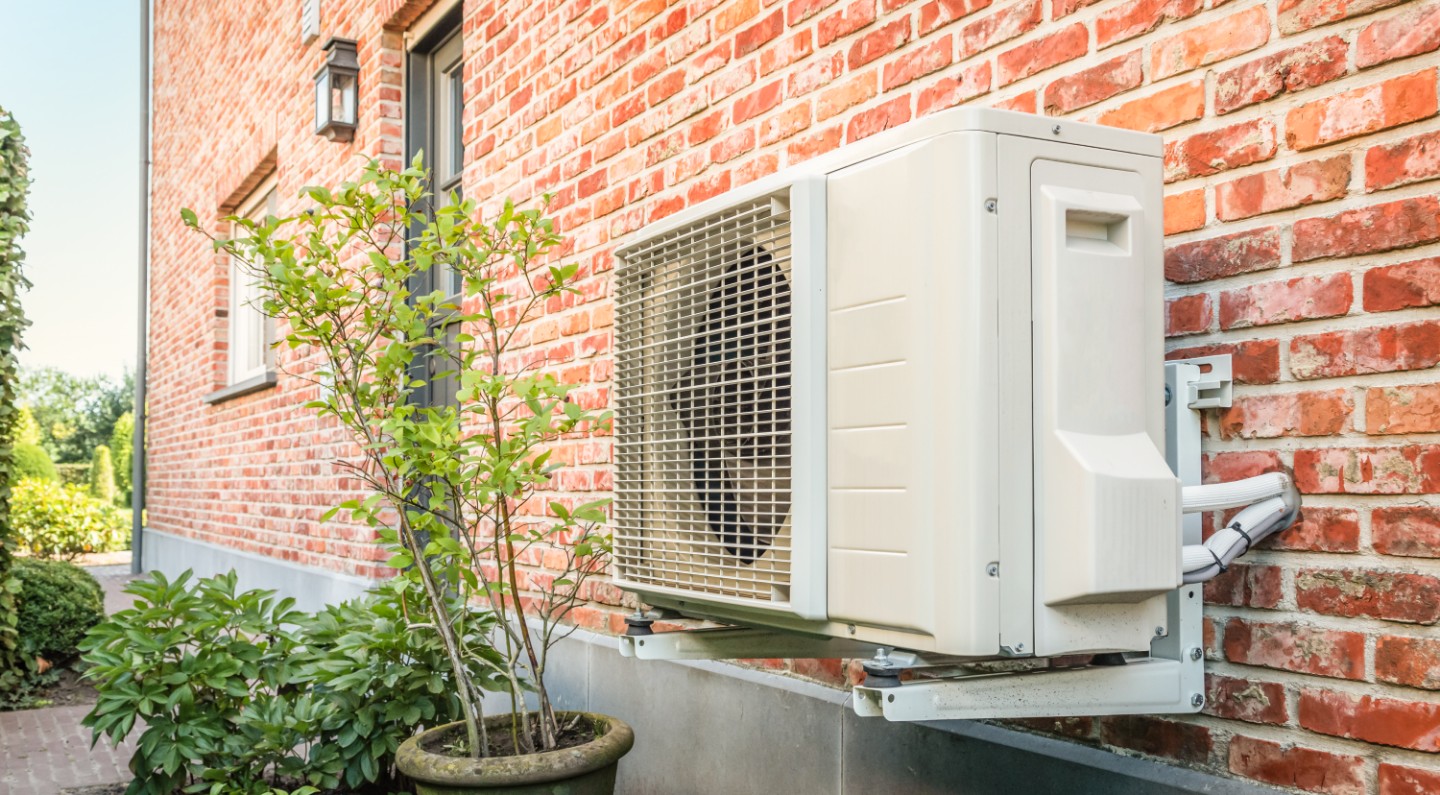
- Heat pumps: Heat pumps provide heating and cooling through a reversible refrigerant cycle. Our heat pump services cover heat-pump installation, replacement, repair, maintenance, and performance.
- Ductless systems: Mini-split heat pumps can provide zoned heating and cooling without a traditional central duct network. See our ductless mini-split services for system-specific information.
- Air-handler electric heat: Some air handlers can use electric heat strips or compatible heat kits. Our air handler services cover the air handler, blower, controls, airflow, indoor coil, and related components.
Heating Load, Sizing, and System Compatibility
Replacing your heater with the same nominal size as the old one is not always the right answer. Changes to insulation, windows, air leakage, ceiling height, layout, additions, and how you use the space can all affect the heating load.
For a ducted system, your new heater also needs to work with your available airflow, ductwork, blower, thermostat, and any connected cooling equipment. Electrical capacity, gas service, venting, refrigerant requirements, and condensate drainage can also matter depending on the type of heater you choose.
What Heater Installation Can Involve
Once you have chosen the heater and the installation plan is confirmed, the work moves through removal or site preparation, installation, required connections, startup, and operating checks. The exact steps depend on the type of heater and your home or business.
1. Review the installation plan: Confirm your selected heater, heating requirements, controls, airflow, energy source, and any changes your HVAC system or installation area needs before work begins.
2. Remove or prepare the existing heater: Disconnect and remove the heater being replaced, or prepare the installation area if you are adding a new heating system.
3. Complete the required connections: Install the heater and connect the applicable ductwork, electrical service, controls, fuel supply, venting, refrigerant components, or condensate drainage.
4. Start and configure your new heater: Set the controls, verify the installed configuration, and complete the startup procedure required for your system.
5. Check operation: Confirm heating response, airflow, controls, safety functions, and other equipment-specific operating conditions.
6. Review the new system with you: Explain the controls, normal operation, maintenance needs, and information worth keeping for future service.
Controls, Electrical Requirements, and Airflow
Your new heater has to work with the controls and infrastructure that support it. Depending on the system you choose, installation may require thermostat changes, additional control wiring, electrical upgrades, different breakers, new disconnects, or changes to blower and airflow settings.
If the new system uses a compatible connected thermostat, our smart thermostat services cover installation, setup, and HVAC compatibility.
Startup and Commissioning
Startup and commissioning confirm that your new heater is operating as intended rather than simply turning on. The checks depend on the type of heating system you have installed.
- Thermostat response and control operation
- Heating stages or capacity control where applicable
- Blower operation and airflow
- Temperature response
- Electrical operation and safety controls
- Combustion and venting checks for applicable fuel-burning equipment
- Refrigerant, defrost, and auxiliary heat operation for applicable heat-pump systems
- Condensate drainage where the equipment produces condensate
Heater Replacement Financing
Financing may be available for qualifying heater installation or replacement projects. Approval, rates, repayment terms, and other conditions depend on the financing option available through the participating Varsity Zone HVAC location. Ask the local office for the current details that apply to your project.
Frequently Asked Questions About Heater Installation & Replacement
How much does it cost to replace a heater?
The cost depends on the type of heater, capacity, efficiency, installation complexity, controls, electrical or fuel requirements, duct or vent changes, and local labor. A replacement assessment is the best way to price the heater and installation work required for your home or business.
How do you replace a heater?
Replacement starts with assessing your current heater and heating needs, selecting a compatible replacement, and confirming the required electrical, fuel, venting, airflow, control, or refrigerant work. Your old heater is then removed where applicable, the new system is installed, and your new heater is started and checked under operating conditions.
How often do heaters need to be replaced?
There is no fixed replacement interval that applies to every heating system. Equipment type, installation quality, maintenance, operating hours, climate, repair history, parts availability, safety, and overall condition all affect how long a heater remains practical to keep in service.
Do electric heaters use a lot of electricity?
Electric-resistance heating converts electricity directly into heat, so your operating cost can depend heavily on the heating load, runtime, local electricity rates, insulation, and controls in your home or business. Heat pumps use electricity differently because they move heat rather than producing all heat through resistance elements.
Do you need an electrician to replace an electric heater?
Electric heating equipment can involve dedicated circuits, breakers, conductors, disconnects, and other electrical work. Who can complete that work depends on the equipment, project scope, and local licensing or code requirements. The installation should follow the manufacturer’s electrical requirements and applicable local rules.
Related Heating & HVAC Services
- Heating Services – Broader heating repair, maintenance, replacement, and diagnostic services.
- Season Ticket Maintenance Plan – Recurring heating and cooling maintenance for eligible equipment and participating locations.
- Indoor Air Quality Services – HVAC-related filtration, humidity, ventilation, and air-cleaning options.
Explore Our Family Of Brands