
Hear From Our Happy Clients
Testimonials coming soon!
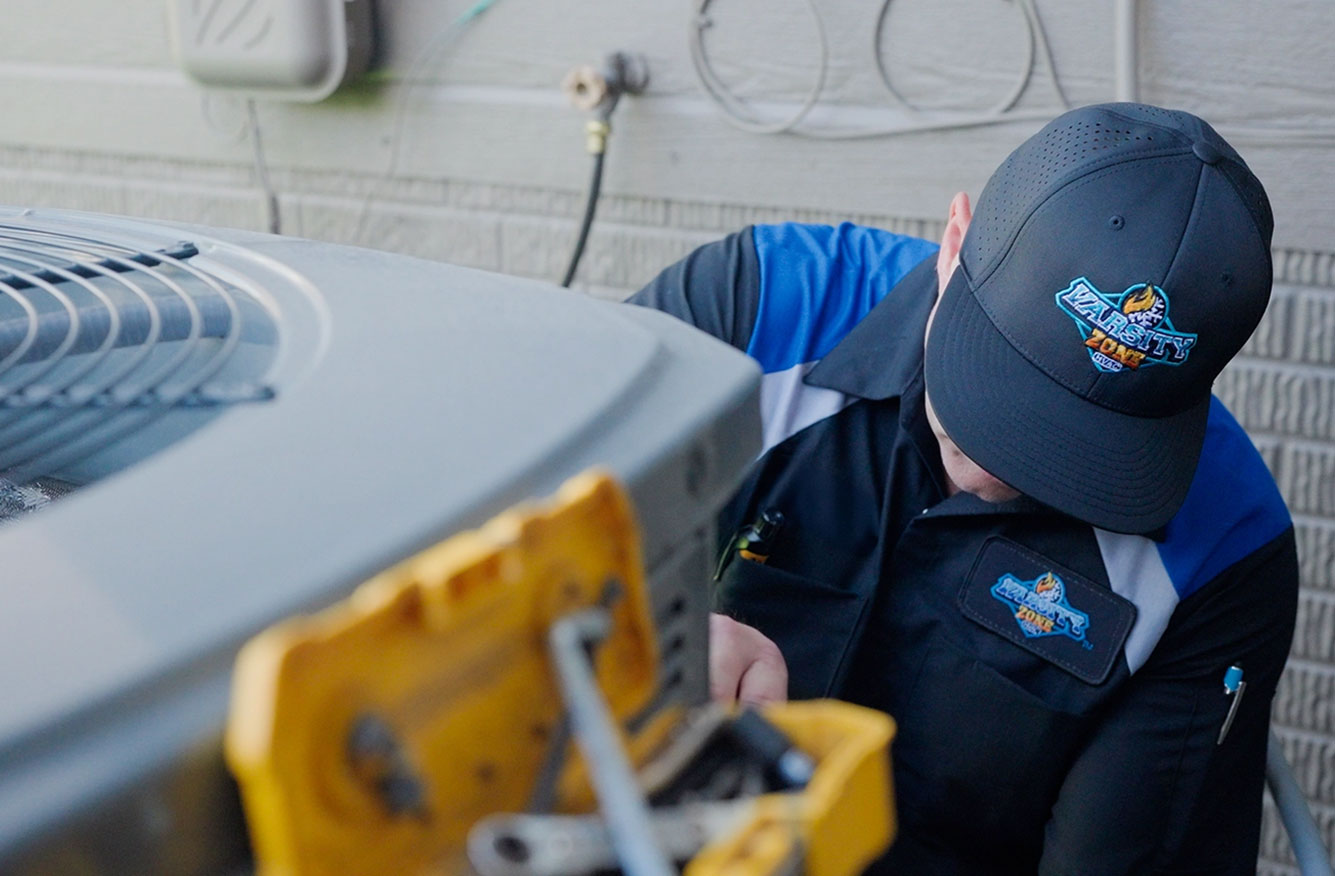
We Bring Our A-Game Every Service Call
Predictive maintenance alerts and the latest tech keep your space comfortable season after season.
You'll never miss a play in your HVAC game with real-time service updates and live tech tracking.
Stay in the lead with our Season Ticket Maintenance Plan – guaranteed peak performance and comfort.
Our All-Star team goes above and beyond to deliver winning results – with a smile every visit.
In-Duct Air Treatment and Coil Irradiation
UV systems are commonly used in two different ways, and the distinction matters when choosing equipment.
- In-duct air treatment: UV-C exposes susceptible airborne microorganisms as air moves through the HVAC system. The system has to provide enough UV energy and exposure for the airflow and treatment goal.
- Coil and surface irradiation: UV-C can continuously irradiate an indoor coil, drain-pan area, or another suitable HVAC surface to help control susceptible biological growth on the exposed surface.
A coil-treatment lamp should not automatically be described as providing the same airborne treatment as an in-duct system.
UV Air Purifier Installation
UV installation starts with the HVAC system and the intended application. Before equipment is selected, the installation needs to account for the air handler or ductwork, coil location, airflow, electrical access, service clearances, nearby materials, and safe access.
- Choose a UV system intended for the treatment goal
- Place the lamp for the required exposure area
- Provide appropriate electrical connections and controls
- Keep direct UV exposure away from occupants and service access
- Account for materials that may degrade under prolonged UV exposure
- Confirm lamp operation and maintenance requirements after installation
Because UV equipment is often installed around the indoor coil or duct system, the condition and configuration of your air handler can affect placement and service access.
UV-C Safety and Ozone Considerations
Germicidal UV energy can injure eyes and skin if people are exposed directly. HVAC UV equipment should be selected and installed so the lamp is shielded during normal operation and service can be performed safely.
Product selection should also account for ozone. Air-cleaning equipment that intentionally generates ozone should not be used as a substitute for proven ventilation, filtration, or source-control measures in occupied spaces.
UV Lamp Maintenance
A lamp can still appear to glow after its germicidal output has declined, so visible light alone is not a reliable maintenance indicator. Follow the installed equipment’s manufacturer guidance for inspection, cleaning where applicable, and replacement intervals.
Maintenance can also include the power supply, wiring, mounting, indicators, access panels, and the HVAC surface or duct area around the lamp.
What UV Air Purifiers Do Not Replace
UV-C can play a useful role in an indoor air quality strategy, but it does not solve every air-quality problem. Standard HVAC UV systems do not physically capture particles, correct excess humidity, add outdoor ventilation, repair moisture sources, or replace normal HVAC cleaning and maintenance.
Your broader indoor air quality needs may involve filtration, ventilation, humidity control, source correction, or a combination of approaches rather than UV-C alone.
Frequently Asked Questions About UV Air Purifiers
Do UV light air purifiers really work?
They can work for the applications they are designed for. Germicidal UV can inactivate susceptible microorganisms when the system provides enough UV energy and exposure. Results depend on lamp output, placement, airflow, distance, maintenance, and whether the system is treating moving air or an HVAC surface.
What are the downsides of using a UV air purifier?
UV systems add equipment cost and ongoing lamp maintenance, and poor placement can limit performance. Direct UV-C exposure can injure eyes and skin, some materials can degrade under prolonged exposure, and UV-C does not remove dust, pollen, gases, or moisture by itself.
What is the best home air purifier with UV light?
There is no single best UV system for every home. The right choice depends on whether you want coil treatment or in-duct air treatment, the size and layout of the HVAC system, airflow, available installation space, electrical access, lamp performance, service access, and manufacturer specifications.
Is UV in an air purifier safe?
UV-C can be used safely when the equipment is correctly selected, installed, shielded, and maintained. Direct exposure to germicidal UV energy should be avoided because it can injure eyes and skin.
Related Indoor Air Quality Services
- In-Line Humidifier Systems – Whole-home moisture addition for measured low indoor humidity.
- Dehumidifiers – Whole-home moisture removal when humidity remains too high.
- AC Maintenance – Preventive service for coils, filters, condensate drainage, airflow, and cooling-system condition.
Explore Our Family Of Brands