Hear From Our Happy Clients
Testimonials coming soon!
We Bring Our A-Game Every Service Call
Predictive maintenance alerts and the latest tech keep your space comfortable season after season.
You'll never miss a play in your HVAC game with real-time service updates and live tech tracking.
Stay in the lead with our Season Ticket Maintenance Plan – guaranteed peak performance and comfort.
Our All-Star team goes above and beyond to deliver winning results – with a smile every visit.
What Furnace Maintenance Can Include
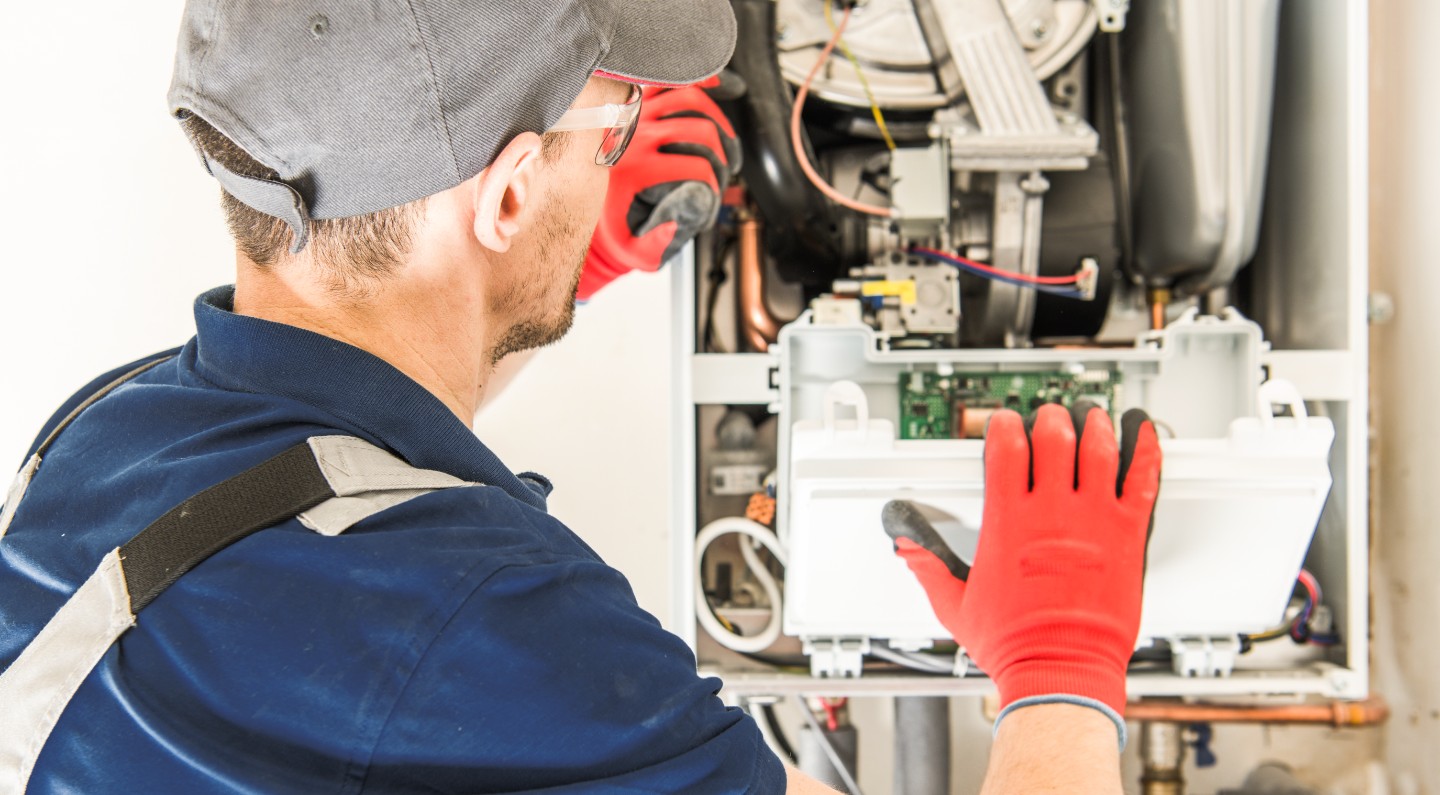
A maintenance visit is built around the furnace that is actually installed. Our technicians may inspect, clean, measure, or test the following areas when they apply to the equipment and service scope.
- Thermostat settings and response
- Air filter condition
- Blower motor and blower wheel
- Electrical connections
- Voltage and current where appropriate
- Temperature rise
- Airflow and static pressure where appropriate
- Safety controls
- Condensate drainage on condensing furnaces
- System startup and shutdown
Gas Furnace Maintenance
Gas furnaces include combustion and venting components that do not apply to electric furnaces. Maintenance can therefore include additional checks related to fuel-burning operation and safety.
- Burner condition and cleaning where appropriate
- Ignition system and flame sensor
- Heat exchanger condition
- Inducer motor and pressure switch
- Gas pressure where appropriate
- Combustion conditions where appropriate
- Venting and combustion air
- Limit and rollout safety controls
A maintenance visit does not replace emergency response to a gas odor, carbon monoxide alarm, smoke, or another immediate safety concern.
Electric Furnace Maintenance
Electric furnaces do not use burners, gas valves, flame sensors, or combustion venting. Maintenance instead focuses more heavily on electrical heating components, controls, airflow, and blower operation.
- Heating elements
- Sequencers or relays
- Electrical connections
- Current draw where appropriate
- Limit controls
- Blower operation
- Filter condition
- Thermostat response
- Temperature rise and airflow
Filters, Airflow and Furnace Performance
Restricted airflow can affect comfort, temperature rise, blower operation, and furnace safety controls. Maintenance can help identify filter, blower, return-air, register, or duct conditions that deserve attention.
If the issue involves the indoor air-moving equipment rather than the furnace itself, our air handler services cover blower, airflow, controls, condensate, and compatible equipment concerns.
What Maintenance Can Find
Preventive service can uncover conditions that are not yet causing a complete heating failure. Findings can include dirty components, weak airflow, electrical wear, control problems, ignition issues, condensate problems, or safety concerns.
If maintenance uncovers a fault that needs corrective work, furnace repair is the appropriate next step. If the furnace has major damage or repeated failures, the condition may also justify a furnace replacement evaluation.
Furnace Maintenance Records and Follow-Up
Maintenance is also a chance to record the condition of the equipment and note anything worth monitoring. Depending on the appointment, the service record may include inspection findings, work completed, operating measurements, filter or airflow observations, and recommendations for follow-up.
Recurring heating and cooling maintenance is also available through the Season Ticket Maintenance Plan, which currently includes two HVAC inspection and tune-up visits per year. Local plan terms and availability should be confirmed before enrollment.
Frequently Asked Questions About Furnace Maintenance
What maintenance should be done on a furnace?
Furnace maintenance can include filter inspection, blower checks, thermostat testing, electrical inspection, temperature-rise and airflow checks, safety controls, and startup and shutdown testing. Gas furnaces can also require inspection of burners, ignition, flame sensing, the heat exchanger, venting, combustion air, and condensate components where applicable.
How often should I service my furnace?
Furnace maintenance is commonly scheduled once a year, often before the heating season. The right interval can vary with the equipment, manufacturer guidance, operating hours, building conditions, and how heavily the furnace is used.
Do you really need to service your furnace every year?
Annual service is a common maintenance schedule because it gives the furnace a regular inspection before or during each heating season. Some systems may need a different interval, so manufacturer guidance and actual operating conditions should also be considered.
How do you clean an electric furnace?
Homeowners can usually keep the area around the furnace clear and replace or clean the filter when the equipment instructions allow it. Internal cleaning around heating elements, electrical components, blower assemblies, and controls should be handled carefully and according to manufacturer guidance. Professional maintenance can address those internal areas while also checking electrical and airflow conditions.
What is the average cost of a furnace cleaning?
There is no single national price that applies to every furnace. Cost can depend on the furnace type, what the maintenance visit includes, equipment condition, local labor rates, and whether additional cleaning or corrective work is needed. Your local Varsity Zone HVAC office can explain the current maintenance pricing for your area.
Related Heating & HVAC Services
- Heating Services – Broader heating repair, replacement, maintenance, and system support.
- Smart Thermostats – Thermostat compatibility, installation, configuration, and troubleshooting.
- Heat Pump Services – Heating and cooling service for reversible heat-pump systems.
Explore Our Family Of Brands