Hear From Our Happy Clients
Testimonials coming soon!
We Bring Our A-Game Every Service Call
Predictive maintenance alerts and the latest tech keep your space comfortable season after season.
You'll never miss a play in your HVAC game with real-time service updates and live tech tracking.
Stay in the lead with our Season Ticket Maintenance Plan – guaranteed peak performance and comfort.
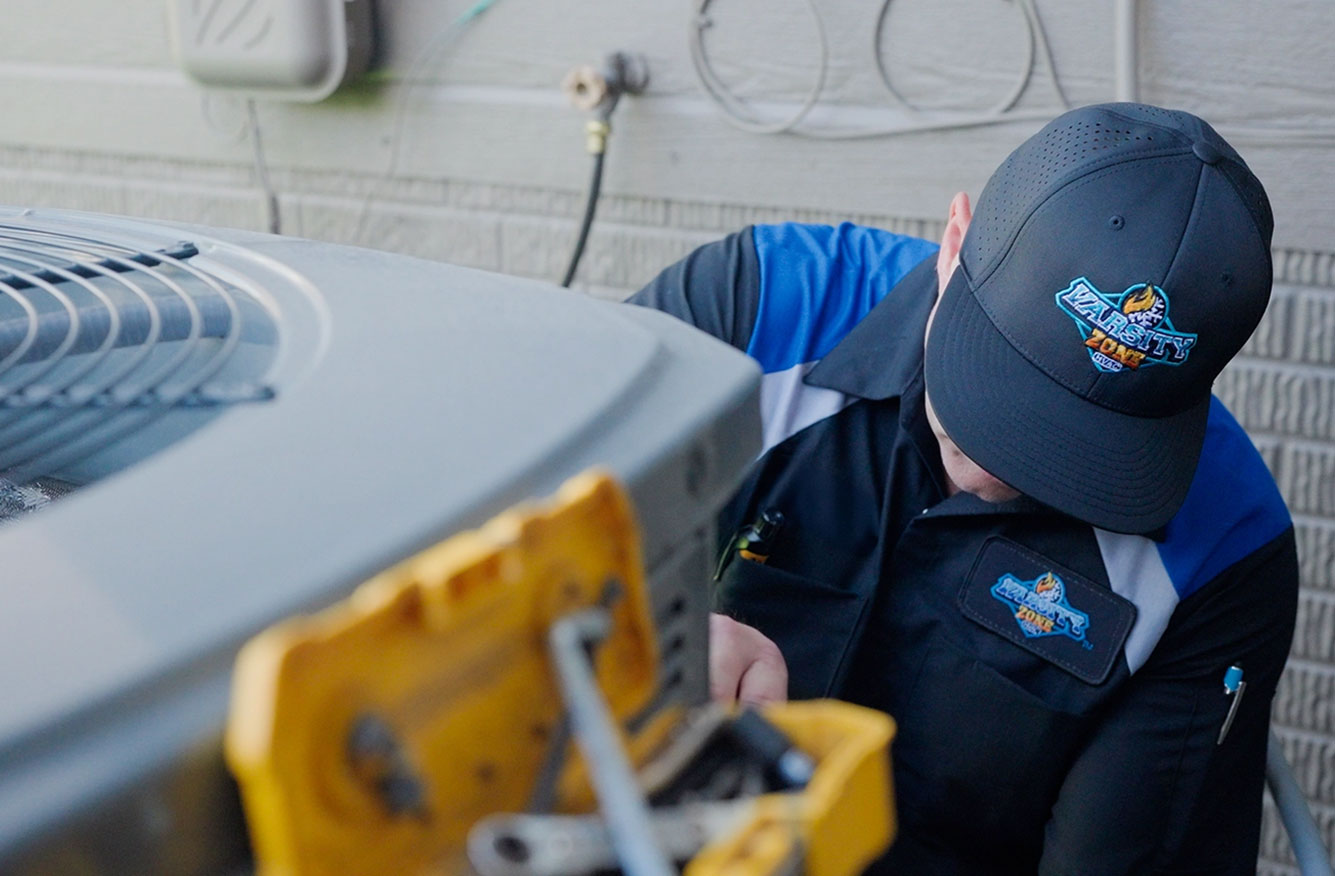
Our All-Star team goes above and beyond to deliver winning results – with a smile every visit.
Common Furnace Problems and Possible Causes
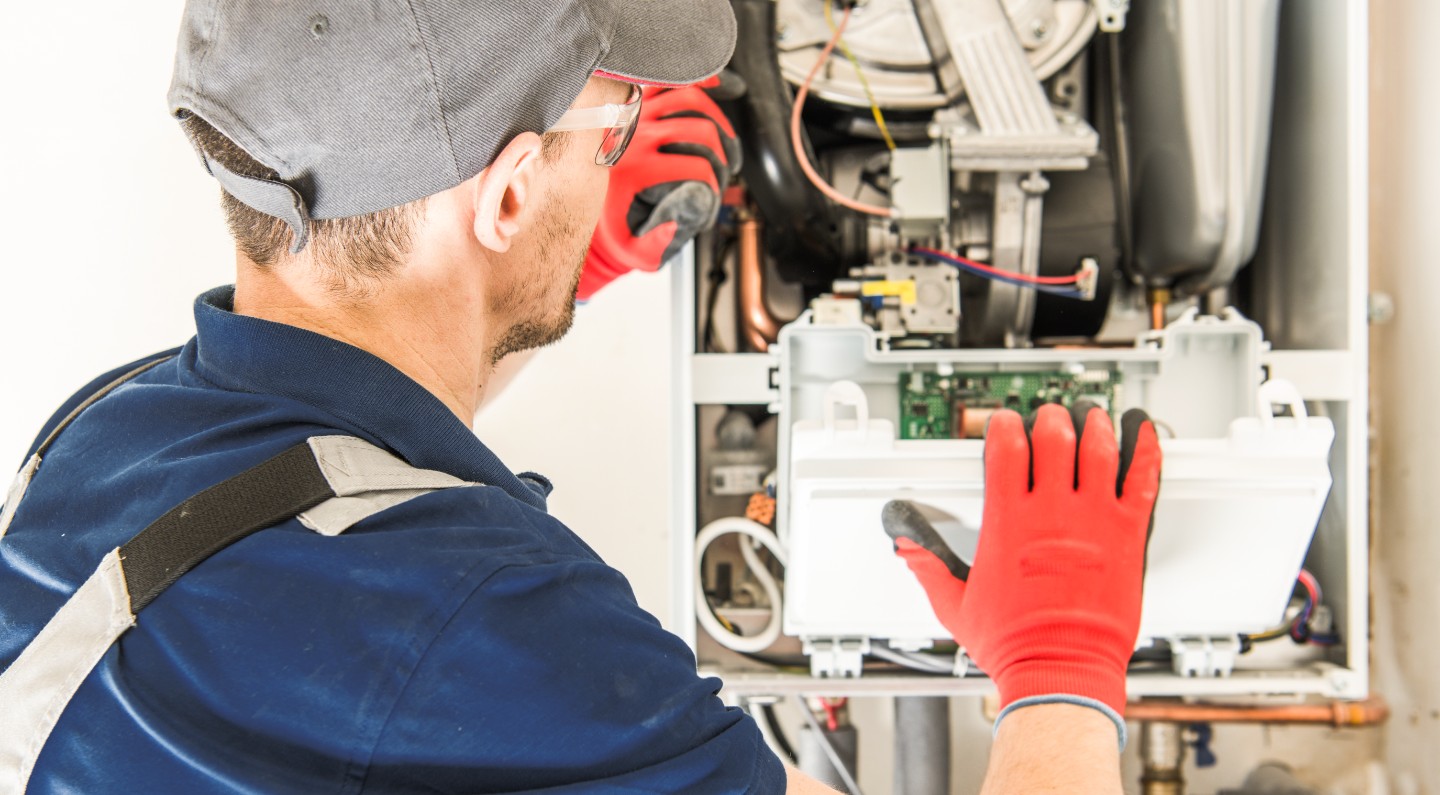
One symptom can come from several different parts of the furnace. Our technicians use the system behavior, fault history, visual inspection, and testing to narrow down the cause before recommending a repair.
- Ignition or burner problems: Igniters, flame sensors, burners, gas valves, pressure switches, inducer operation, or control faults can prevent normal heating on gas furnaces.
- Airflow problems: Dirty filters, blower problems, duct restrictions, overheating, or limit-control operation can reduce heat delivery or cause the furnace to shut down.
- Electrical and control problems: Wiring, transformers, relays, control boards, thermostats, motors, and electrical connections can affect startup and operation.
- Electric furnace faults: Heating elements, sequencers, relays, limits, controls, and blower components can affect electric furnace performance.
- Venting or condensate problems: High-efficiency gas furnaces can also be affected by venting, pressure-switch pathways, condensate drains, or traps.
Furnace Diagnostic Testing
The tests used depend on the furnace type and the problem being investigated. Diagnosis can include:
- Thermostat and control signal checks
- Line-voltage and low-voltage testing
- Current measurements
- Ignition sequence and flame-signal testing
- Safety switch and limit-control checks
- Blower and motor testing
- Temperature-rise measurements
- Airflow and static-pressure testing where appropriate
- Gas-pressure or combustion testing where appropriate
- Heat-exchanger and venting inspection
- Condensate inspection on condensing furnaces
Thermostat symptoms can sometimes come from the furnace and sometimes from the control itself. If the issue is with the thermostat or its setup, our smart thermostat services cover compatibility, installation, configuration, and troubleshooting.
Common Furnace Repairs
Once the cause is clear, corrective work can involve ignition components, blower systems, controls, electrical connections, condensate components, venting-related conditions, or other parts supported by the diagnosis.
- Igniter replacement
- Flame sensor cleaning or replacement
- Blower motor or blower wheel service
- Inducer motor replacement
- Pressure switch diagnosis and related corrective work
- Limit switch replacement
- Control board, relay, transformer, or wiring repair
- Thermostat repair or replacement
- Burner or gas-valve related service where appropriate
- Condensate drain or trap service on condensing furnaces
Furnace Safety Concerns
Gas furnaces add combustion and venting conditions to the repair picture. Heat-exchanger damage, flame rollout, blocked venting, combustion problems, gas odors, or carbon monoxide concerns require careful assessment.
If you smell gas, a carbon monoxide alarm sounds, or you see smoke or another immediate safety hazard, leave the affected area when appropriate and follow local utility or emergency guidance. Do not bypass furnace safety controls.
When Furnace Replacement Becomes Worth Considering
A repairable fault does not automatically mean the furnace needs to be replaced. Replacement may be worth evaluating when major components are damaged, the furnace has repeated failures, safety concerns affect continued operation, or the overall condition makes another repair less practical.
When that happens, our furnace replacement services cover system assessment, sizing, equipment selection, installation, startup, and commissioning.
After a Furnace Repair
After corrective work, our technicians can check the relevant furnace operation again. Depending on the repair, that can include thermostat response, startup, ignition sequence, burner or heating-element operation, blower performance, temperature rise, controls, and safety functions.
For a furnace that remains in service, planned furnace maintenance gives the system a separate preventive inspection rather than waiting for another fault to appear.
Problems That May Need Emergency Furnace Repair
Loss of heat can become urgent during severe weather or when indoor conditions put people, property, or business operations at risk. Smoke, gas odors, suspected carbon monoxide, severe overheating, repeated safety shutdowns, or dangerous electrical conditions also need prompt attention.
Emergency and after-hours availability varies by location. Contact your local Varsity Zone HVAC location to confirm current options.
Frequently Asked Questions About Furnace Repair
What is the average cost to repair a furnace?
There is no single repair cost that applies to every furnace. The total depends on the fault, furnace type, part required, labor, and local pricing. A failed igniter or flame sensor can be very different from a blower motor, inducer, control board, or heat-exchanger problem. Diagnosis is the first step toward an accurate repair estimate.
What is the most common problem with furnaces?
No single fault is the most common across every furnace, but airflow restrictions, ignition or flame-sensing problems, thermostat or control faults, and blower issues are frequent reasons for furnace service. The symptom alone does not confirm which one is present.
What could be the reasons my furnace isn’t turning on?
Possible causes include a thermostat or power problem, an open safety circuit, failed ignition components, pressure-switch or inducer problems, a control-board fault, a tripped breaker, or a fuel-supply issue on applicable gas furnaces.
How much is a service call for furnace repair?
Diagnostic or service-call charges vary by Varsity Zone HVAC location and by the type of appointment. The local office can explain its current diagnostic fee, what the visit includes, and how repair pricing is handled after the fault is identified.
What is the most expensive thing to fix on a furnace?
Major component problems such as heat-exchanger damage, blower-system failure, or other extensive repairs can be among the most expensive furnace issues. The practical decision depends on the exact failure, furnace condition, available parts, and how the repair cost compares with replacement.
Related Heating & HVAC Services
- Heat Pump Services – Heating and cooling service for reversible heat-pump systems.
- Air Handlers – Indoor airflow equipment, blower components, controls, and compatible HVAC system support.
- Season Ticket Maintenance Plan – Recurring heating and cooling maintenance through the Varsity Zone HVAC maintenance program.
Explore Our Family Of Brands