
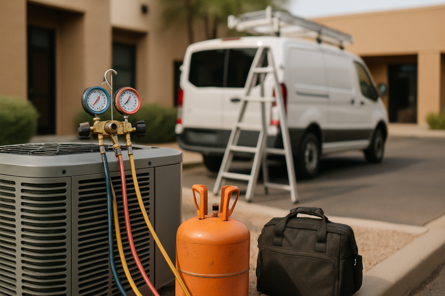
With Scottsdale still deep in summer heat, whether your HVAC system is running efficiently stops being a background question. When temperatures sit above 100, the contractor you call matters as much as the equipment you own. At Varsity Zone of Scottsdale, we've spent enough years working in this climate to know what fails here and why. If you're evaluating options, our breakdown of why choosing the right HVAC company matters for Scottsdale homeowners covers what separates a good contractor from a cheap quote.
Why This Matters in Scottsdale
Average high temperatures here exceed 100°F from June through September, according to the National Weather Service office in Phoenix. That kind of sustained load is punishing on equipment. Regular maintenance and fast repairs aren't optional maintenance theater; they're what keeps a system from failing in the week you can least afford it. An efficient system also cuts energy consumption, which shows up directly on a summer bill.
Dry heat brings its own problem: dust and debris accumulate in the system and degrade both performance and indoor air quality. Clogged filters restrict airflow, which forces the unit to work harder, shortens its life, and raises your bill. With desert dust and pollen in the mix, that matters more for anyone in the house with allergies or a respiratory condition.
Haboobs make this worse in a hurry. A single dust storm can push enough debris into a home to overwhelm a system that wasn't maintained going in. Having a technician check the system before and after storm season is one of the higher-return things you can do. Equipment design, ventilation rates, and efficiency targets all trace back to the ASHRAE standards and guidelines, which is the primary source worth knowing if you want to understand what your system is actually rated to do. Working with a local team helps here too, which we get into in our post on why hiring a local HVAC company in Scottsdale makes a difference.
Understanding Your System Options
Central air conditioning
Cools the whole house through a duct network, which keeps temperature uniform room to room. That consistency is why it's the default for larger homes. The catch is ductwork: if it isn't already there, installation costs climb, and existing ducts need maintenance or they leak efficiency. In older Scottsdale neighborhoods built before central air was standard, retrofitting can mean real renovation, though the comfort and resale payoff is usually worth it.
Ductless mini-splits
Built for homes without ductwork. Zoning is the real advantage: cool the rooms you're using and skip the ones you aren't. They run quieter than central systems and install with far less disruption. Programmable timers and remote control come standard on most units now, and for households watching energy use, the ability to not cool an empty guest room adds up over a Scottsdale summer.
Heat pumps
One system for both heating and cooling, moving heat rather than generating it. Efficient in moderate conditions, and modern variable-speed compressors and improved refrigerants have widened the range considerably. Performance still degrades at temperature extremes, which is worth weighing against our summers, but the technology has moved enough that dismissing heat pumps in Arizona is out of date.
Signs It's Time for Service
- Energy bills spiked without a change in usage. Usually a failing thermostat, dirty filters, or duct problems. In a Scottsdale summer, an unexplained jump is worth chasing down the same week you notice it.
- Uneven cooling between rooms. Points to duct leaks, blockages, or a balance problem. Multi-story homes get this naturally from heat rise, and a zoning system is often the fix.
- Strange noises. Banging or rattling means loose components, worn parts, or debris in the system. Grinding usually points at the blower motor; hissing often means a refrigerant leak. None of these get cheaper by waiting.
- Frequent cycling. The system is struggling to hold temperature, which can come from improper sizing, thermostat issues, or airflow restriction. Short cycling accelerates wear and cuts system life.
What to Expect from a Service Visit
- Inspection: A full check of filters, coils, and components, plus thermostat settings, looking for wear or damage.
- Diagnosis: We explain what we found in plain terms. You should understand your system's condition well enough to make your own call, and we'd rather answer questions than have you nod along.
- Options presented: Repair or upgrade paths with transparent pricing and a breakdown of what each buys you. We aim to give you more than one option at more than one price point.
- Service or installation: Once you approve, we do the work cleanly and efficiently, with quality materials and warranties behind it.
- Follow-up: We check back to confirm the system is running right. Maintenance plans are available if you'd rather not track service intervals yourself.
Pricing transparency is a recurring sore spot in this industry, and we wrote a whole piece on it: a practical guide to fair HVAC pricing.
The Value of Local Expertise
A local contractor knows what this specific climate does to equipment. Intense heat wears certain components faster. Dry conditions mean filters need changing more often than the manufacturer's generic interval suggests. Our team is NATE-certified, and we hold ourselves to fast response times and pricing you can see before you commit.
There's a practical side too: local contractors have supplier relationships, which means parts arrive faster when your system is down in August. We also know the regional codes, so the work passes inspection the first time. For a look at how we prep between seasons, see how our team handles heating season prep across Scottsdale and the East Valley.
Late Summer Service Recommendations
- Schedule a maintenance check. Catching a refrigerant leak or a failing component before it strands you is the entire point. Efficiency gains from a tune-up often pay for the visit.
- Clean or replace filters. Monthly during high-use periods, and more often than that in a dusty month. It's the cheapest thing on this list and the one people skip.
- Consider an energy audit. Sealing leaks around windows and doors, adding insulation, or upgrading equipment all start with knowing where the loss actually is.
- Plan ahead. Booking repairs or upgrades before peak demand gets you better scheduling and often better pricing.
Putting off fall maintenance has a cost, and we itemized it in our post on what skipping fall HVAC maintenance in Scottsdale actually costs.
Frequently Asked Questions
What should I look for in an HVAC contractor in Scottsdale?
Local experience, NATE certification, and a service record you can verify through reviews. Transparent pricing and clear communication tell you a lot before any work starts. A contractor who handles installation, maintenance, and repair means you aren't restarting the relationship every time something changes.
How often should I service my system?
Twice a year, before summer and before winter. In a climate this hard on equipment, an older system or one already showing wear may warrant more. Regular service is what keeps efficiency up and prevents the failures that happen at the worst possible time.
What are the benefits of a ductless mini-split?
Zoning flexibility, energy efficiency, and an install that doesn't require tearing into an older home to run ducts. Individual room control means you stop paying to cool space nobody is in.
How can I improve indoor air quality?
Start with filters, cleaned or replaced on schedule. An air purifier handles allergens and pollutants beyond what a filter catches. In our dry climate, a humidifier can also help with dry skin and respiratory discomfort, which is the opposite of the advice most of the country gets.
Why are my energy bills higher than usual?
Often an inefficient HVAC system, but poor insulation and aging appliances contribute too. An energy audit separates the causes so you're fixing the right thing.
About the Author
I'm Andy Pasterchick, founder and President of Varsity Zone of Scottsdale. Twenty-plus years of professional experience, a background as a U.S. Army veteran and a former medical device professional, and a low tolerance for imprecise work. My team and I are here to raise the standard of HVAC service in Arizona, whether that's a routine maintenance visit or a full system replacement.
Ready to Schedule?
Keeping a home comfortable in this climate takes a system that's maintained and a contractor who answers the phone. If you have questions or want an inspection on the books, reach out through our site and we'll get you scheduled.