
Why Is My AC Running But Not Cooling? Common Causes & Fixes
Few things are more frustrating than an air conditioner that runs but doesn't cool. Your system is on, fans are spinning, but your house stays hot. This problem is common in Frisco, especially during peak summer months when your AC is working hardest. Before you panic about a major repair, there are several troubleshooting steps you can try yourself. Some issues are simple fixes, while others require a professional technician.
Let's walk through the most common reasons your AC runs but doesn't cool and when to call Varsity Zone HVAC for professional help.
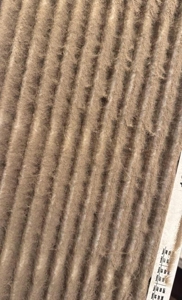
Dirty or Clogged Air Filter
This is the most common culprit. A heavily soiled filter blocks airflow through your system, reducing cooling capacity dramatically. Your AC runs, but cooled air can't circulate effectively through your home.
DIY Fix
Check your air filter immediately. If it's visibly dirty or clogged, replace it. Most standard filters need changing every 30-90 days, more frequently during heavy use. Installation takes minutes—simply slide out the old filter, note its size, and insert an identical new one.
Blocked or Closed Vents and Registers
Another simple but overlooked issue: if vents or registers throughout your home are blocked by furniture, curtains, or debris, cooled air can't reach living spaces effectively.
DIY Fix
Walk through your home and check all supply vents and registers. Ensure nothing blocks them and open any that are closed. You'd be surprised how often a blocked vent or closed register in a bedroom or closet causes cooling complaints.
Low Refrigerant Levels
Your AC's refrigerant is the fluid that actually cools the air. If levels are low due to a leak or other issue, your system can't produce cold air even though it's running.
Signs of Low Refrigerant
Warm air blowing from vents
Ice forming on the outdoor unit
Hissing sounds from the unit
Increased energy bills
Professional Fix Required
This issue requires a licensed technician. Low refrigerant usually indicates a leak, which must be found and fixed before the system can be recharged. Never attempt to add refrigerant yourself—it's dangerous and requires proper equipment and certification.
Contact Varsity Zone HVAC for professional AC repair to locate and fix refrigerant leaks.
Thermostat Problems
A malfunctioning thermostat might not properly signal your AC to cool, even though the system is running.
DIY Checks
Verify the thermostat is set to "COOL" mode (not "OFF" or "HEAT")
Confirm the set temperature is lower than the current room temperature
Check the thermostat display—is it responding when you adjust settings?
Replace batteries if it's a battery-powered model
Make sure the thermostat isn't in a hot spot (direct sunlight, near a heat-generating appliance)
If Thermostat Checks Fail
If the thermostat doesn't respond to adjustments, you may need replacement. Modern smart thermostats also offer better temperature control and energy savings.
Compressor Problems
Your AC's compressor is the heart of the cooling system. If it's not running properly, your system can't cool even though other components operate.
Signs of Compressor Failure
System runs but produces only warm air
Unusual clicking or humming sounds from outdoor unit
System frequently kicks on and off (short-cycling)
Indoor/outdoor units not running in sync
Professional Service Needed
A compressor requires expert diagnosis and often replacement. This is a significant repair cost, so if your system is older than 10 years, AC replacement might make more financial sense than repair. Learn more about AC replacement options.
Frozen Evaporator Coils
During heavy use in extreme heat, your evaporator coil (inside your home) can freeze, blocking airflow and preventing cooling.
Signs of Frozen Coils
Ice visible on indoor unit or refrigerant lines
Weak or no airflow from vents
Unusual hissing or gurgling sounds
System works but doesn't cool
Temporary DIY Step
Turn off your AC and set the thermostat to "FAN ONLY" to allow the coils to thaw. Leave it running for several hours. However, frozen coils usually indicate an underlying problem like low refrigerant, dirty filters, or poor airflow.
Next Steps
After the coils thaw, address the root cause. Call a technician if you can't identify the problem yourself.
Electrical or Capacitor Issues
Your AC's capacitor stores electrical energy to start the compressor. A failed capacitor means the compressor can't start, even though fans and other components run.
Signs of Capacitor Failure
Outdoor unit makes a humming sound but compressor doesn't start
System runs intermittently or shuts down quickly
System won't restart for 15-30 minutes after shutting down
Professional Repair Needed
Capacitor replacement is a job for licensed technicians. This is a relatively affordable fix compared to other AC repairs, usually $150-300.
When to Call Varsity Zone HVAC
DIY troubleshooting handles simple issues like dirty filters or closed vents. For any of these problems, contact a professional:
Low refrigerant or suspected leaks
Frozen evaporator coils that don't thaw
Thermostat isn't responding to adjustments
Strange sounds from indoor or outdoor units
System still doesn't cool after basic troubleshooting
You're unsure about the cause
Professional Diagnosis and Repair
Our Frisco technicians have the tools to diagnose AC cooling problems quickly and accurately. We'll identify the issue, explain your repair options, and provide upfront pricing before we start work.
Don't suffer through Frisco summer heat. Call Varsity Zone HVAC at (972) 402-6948 for professional AC repair. Same-day and emergency service available.