
Why Is My Air Conditioner Blowing Warm Air?
Few things are more frustrating than walking into your home on a hot North Carolina afternoon only to realize your air conditioner is running, but warm air is coming from the vents. Whether it started gradually or happened all at once, it's a problem that deserves a clear explanation.
The good news? Not every warm-air problem means you need a new system. Some issues are simple fixes you can handle yourself in minutes. Others require a trained technician. Understanding the difference can save you time, money, and a whole lot of unnecessary stress.
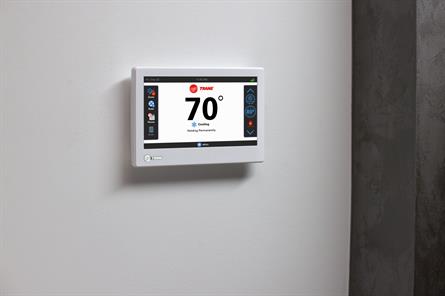
First Things First: Check Your Thermostat
It sounds obvious, but it happens more often than you might think. Before assuming something is wrong with your air conditioner, take 60 seconds to check a few simple settings. We've seen plenty of service calls resolved in under a minute because of a misadjusted thermostat.
1. Set to "Cool"
Confirm the thermostat mode is set to Cool, not Heat, Fan Only, or Off.
2. Temperature Setting
The target temperature must be below the current room temperature to trigger cooling.
3. Fan Set to "Auto"
If the fan is set to On instead of Auto, it will circulate uncooled air continuously.
4. Check the Batteries
Low or dead batteries can cause a thermostat to behave erratically or lose settings entirely.
Check Your Air Filter
A clogged air filter is one of the most overlooked causes of poor cooling, and one of the easiest to fix. When the filter becomes packed with dust and debris, it chokes off the airflow your system depends on to function properly. The result? Your system works harder, cools less effectively, and can even develop bigger problems over time.
Home Feels Warmer:
Restricted airflow means less cool air reaching your living spaces, leaving rooms uncomfortable.
Weak Airflow from Vents:
Air coming out of registers feels like a whisper instead of a strong, steady stream.
Indoor Coil Can Freeze:
Without enough warm air moving across it, the evaporator coil drops below freezing and ices over.
Efficiency Drops Sharply:
A strained system runs longer cycles and consumes more energy, driving up your utility bills.
If your filter looks gray, matted, or clogged, replace it immediately and give the system time to recover. A clean filter is one of the simplest ways to protect both your comfort and your wallet.
Your Outdoor Unit May Not Be Running
Step outside and take a look. Do you hear the outdoor unit running? If your indoor fan is blowing air but the outdoor unit is completely silent, your system physically cannot remove heat from your home, no matter how low you set the thermostat.
The outdoor unit contains the compressor and condenser, both essential to the cooling cycle. When that side of the system goes down, warm air is all you'll get. Several culprits can cause an outdoor unit to stop:
Tripped circuit breaker
Failed capacitor
Worn contactor
Electrical wiring problems
Compressor failure
Quick Check:
Head to your electrical panel and look for a tripped breaker labeled "AC" or "Condenser." If it's tripped, reset it once, but if it trips again, stop and call a technician. A repeatedly tripping breaker signals a deeper electrical issue that needs professional diagnosis.
Low Refrigerant Could Be the Culprit
Here's something many homeowners don't realize: your air conditioner doesn't "use up" refrigerant the way a car burns fuel. Refrigerant cycles continuously through a closed system. If levels are low, it almost always means there's a leak somewhere.
Warm Air from Vents:
Without enough refrigerant, the system can't absorb heat effectively from indoor air.
Longer Run Times:
The system runs and runs trying to hit your set temperature, but never quite gets there.
Ice on Refrigerant Lines:
Frost or ice forming on the copper lines near your indoor or outdoor unit is a telltale sign.
Rising Energy Bills:
A system straining to cool your home with low refrigerant consumes significantly more electricity.
A Frozen Evaporator Coil
It might seem counterintuitive, how can ice cause warm air? But a frozen evaporator coil is one of the most common reasons homeowners suddenly feel warm air blowing from their vents. When the coil freezes over, airflow is blocked and the cooling process essentially stops.
Warm Air Blows:
Cooling output stops
Coil Freezes:
Evaporator accumulates ice
Restricted Airflow:
Blocked filter or vents
Two primary triggers cause the coil to freeze: severely restricted airflow (often from a dirty filter or blocked return) or low refrigerant levels. If you notice ice forming on the copper lines near your indoor unit, turn the system off immediately and let it thaw before running it again. Continuing to operate a frozen system can cause lasting damage to the compressor, a far more expensive repair.
Electrical Component Failures
Modern HVAC systems are sophisticated machines that rely on a network of electrical components working in precise coordination. When even one small component fails, the entire system can behave strangely, appearing to run normally while delivering zero cooling.
Capacitors:
These store and release electrical energy to start motors. A failed capacitor is one of the most common HVAC repairs in hot climates.
Contactors:
Contactors act as electrical switches for the compressor and fan motor. Worn contacts prevent the outdoor unit from receiving power.
Relays:
Relays route electrical signals throughout the system. A faulty relay can prevent one component from activating while others run normally.
Control Boards:
The control board is the brain of the system. Failures here can cause unpredictable behavior across multiple system functions.
The encouraging news: many of these electrical repairs are straightforward when diagnosed correctly. A qualified technician can test components quickly and restore cooling the same day in most cases.
When Should You Call a Professional?
Some warm-air problems resolve with a quick thermostat check or a filter swap. But others require trained eyes and proper equipment to diagnose safely. Knowing when to make that call, and making it sooner rather than later, can be the difference between a modest repair bill and a major system replacement.
Warm Air Persists:
If warm air continues for more than a few minutes after the system starts, it's time to call.
Outdoor Unit Is Silent:
A non-responsive outdoor unit means cooling isn't happening — and the cause needs professional diagnosis.
Ice on Lines or Unit:
Visible ice anywhere on your system is a clear sign something is wrong — don't ignore it.
Breakers Keep Tripping:
A breaker that trips repeatedly after being reset points to a serious electrical problem.
The Bigger Question: Why Did It Happen?
At Varsity Zone HVAC, we believe North Carolina homeowners deserve more than a quick patch-and-go fix. Restoring cool air today is the immediate goal, but it shouldn't be the only one. Understanding the root cause is what separates a lasting repair from a recurring problem.
What We Ask After Every Repair
Why did this issue occur in the first place?
Is it likely to happen again without further action?
Are there other components showing early signs of wear?
What can improve long-term reliability and efficiency?
Our Philosophy
The best repair is the one you never need to make. That means looking beyond the symptom, identifying contributing factors, and giving you a complete picture of your system's health, not just a band-aid solution.
We take the time to explain what we found, what we did, and what to watch for. Because informed homeowners make better decisions.
Need Answers? We're Here to Help.
If your AC is blowing warm air, don't panic, and don't guess. Many issues can be diagnosed quickly and corrected before they turn into major repairs. The key is getting the right information from someone you can trust.
Comfort Diagnostic:
Our thorough system evaluation tells you exactly what's happening — not just what's broken, but why it broke and what to expect going forward.
No Pressure, Ever:
We give you real answers and lay out your options clearly. What you do next is always your decision. No upsells, no scare tactics.
Serving North Carolina:
We understand the demands that NC summers place on residential HVAC systems — and we're built to help homeowners stay comfortable all season long.
"The best repair is the one you never need to make." — Varsity Zone HVAC
About Carl Steinmann:
Carl Steinmann is the owner of Varsity Zone HVAC of Mooresville. With a background in economics, business strategy, and supply chain operations, Carl believes homeowners deserve more than repairs, they deserve education, transparency, and guidance that helps them make smart long-term decisions about comfort, energy efficiency, and protecting their home.