
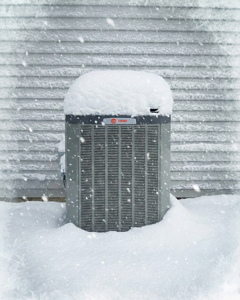
Why Is My Air Conditioner Turning Into a Block of Ice?
Don't Let Frost Fool You, Ice on Your AC Is Never Normal
It's one of the most common calls we receive during the summer:
"My air conditioner is covered in ice."
Many homeowners are surprised to learn that an air conditioner freezing up has very little to do with outdoor temperatures. In fact, when your AC turns into a block of ice, it's often a sign that your system is struggling and may be on the verge of a complete breakdown.
If you've discovered ice on your outdoor unit, refrigerant lines, or indoor coil, here's what you need to know.
Why Does an Air Conditioner Freeze Up?
Your air conditioning system works by absorbing heat from inside your home and transferring it outdoors. To do that efficiently, the evaporator coil inside your home must stay above freezing.
When something causes the coil temperature to drop below 32°F, moisture in the air begins to freeze on the coil. Once ice starts forming, airflow becomes even more restricted, creating a snowball effect that can quickly turn your system into a solid block of ice.
The Most Common Causes of a Frozen AC
1. Dirty Air Filter
This is the easiest problem to fix and one of the most common causes of freeze-ups.
A clogged filter restricts airflow across the evaporator coil. Without enough warm air passing over the coil, temperatures drop below freezing and ice begins to form.
What to do:
- Check your air filter immediately.
- Replace it if it's dirty.
- Make sure vents throughout the home are open and unobstructed.
2. Low Refrigerant Charge
Low refrigerant is another major culprit.
Contrary to popular belief, air conditioners do not "use up" refrigerant. If refrigerant is low, there's usually a leak somewhere in the system.
Low refrigerant pressure causes the evaporator coil temperature to drop below freezing, creating ice buildup.
Warning Signs:
- Ice on refrigerant lines
- Warm air from vents
- Longer run times
- Higher electric bills
3. Dirty Evaporator Coil
Over time, dust and debris can accumulate on the indoor evaporator coil.
When the coil becomes insulated with dirt, heat transfer is reduced, temperatures drop, and ice forms.
This is one reason regular maintenance is so important.
4. Blower Motor Problems
Your indoor blower is responsible for moving air across the coil.
If the blower motor is failing, running at reduced speed, or not operating consistently, airflow decreases and the coil can freeze.
5. Blocked or Closed Supply Vents
Many homeowners close vents in unused rooms to "save money."
Unfortunately, this can reduce airflow enough to cause pressure issues and frozen coils.
Your HVAC system was designed to move a specific amount of air. Restricting airflow can create problems throughout the system.
6. Dirty Ductwork or Airflow Restrictions
Collapsed ductwork, blocked returns, dirty ducts, or improperly sized systems can all contribute to airflow problems that lead to icing.
What Should You Do If Your AC Is Frozen?
Step 1: Turn the System Off
If your system is covered in ice, turn the cooling mode off immediately.
Continuing to run the system can cause additional damage and may eventually harm the compressor, the most expensive component in your AC system.
Step 2: Switch the Fan to "ON"
Set your thermostat fan setting from "AUTO" to "ON."
This allows warm air to circulate across the frozen coil and helps speed up the thawing process.
Step 3: Check the Air Filter
Replace a dirty filter and make sure all vents are open.
Step 4: Call a Professional
Even if the system starts working again after thawing, the underlying cause still needs to be identified.
Many homeowners experience a freeze-up, thaw the system, and think the problem is solve, only to have it happen again a few days later.
Can a Frozen Air Conditioner Damage the Compressor?
Yes.
This is why it's important not to ignore ice buildup.
When refrigerant returns to the compressor in liquid form instead of vapor, it can cause serious compressor damage. Considering compressor replacements often cost thousands of dollars, addressing the issue early can save significant money.
How to Prevent AC Freeze-Ups
The best way to prevent a frozen system is through routine maintenance.
A professional tune-up can identify:
- Dirty coils
- Airflow restrictions
- Refrigerant issues
- Electrical problems
- Blower motor concerns
- Drainage issues
Most freeze-ups don't happen overnight. There are usually warning signs that can be caught before the system completely ices over.
The Bottom Line
If your air conditioner looks like a freezer, it's trying to tell you something.
Ice is not a sign of superior cooling performance, it's a sign that your system is operating outside normal conditions.
The sooner the issue is diagnosed, the better your chances of avoiding a costly repair and restoring comfort to your home.
At Varsity Zone HVAC, our Comfort Diagnostic process helps homeowners identify the root cause of AC freeze-ups so they can make informed decisions about repairs, maintenance, and long-term system health.
If your AC is turning into a block of ice, don't wait until it stops working completely. A quick diagnosis today could prevent a much larger repair tomorrow.
About Carl Steinmann
Carl Steinmann is the owner of Varsity Zone HVAC of Mooresville. With a background in economics, business strategy, and supply chain operations, Carl believes homeowners deserve more than repairs, they deserve education, transparency, and guidance that helps them make smart long-term decisions about comfort, energy efficiency, and protecting their home.