Cooling Services We Provide
The right cooling service depends on what is happening with the system and what you need from the equipment. Our team can diagnose current problems, care for equipment that is still in service, or help you plan for replacement when the existing system is no longer the practical option.
AC Repair
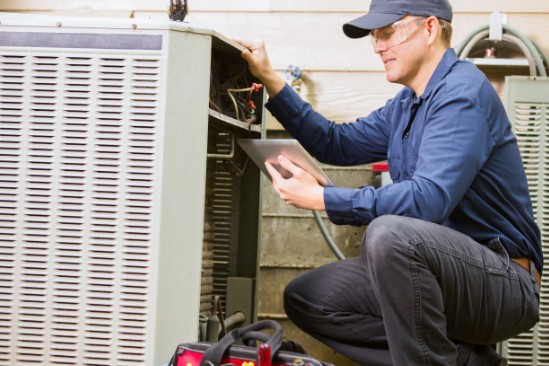
If your air conditioner is not cooling properly, is leaking water, cycles unexpectedly, or has another operating problem, our AC repair services focus on finding the cause and correcting the fault where repair is appropriate.
AC Replacement
When major failures, repeated repairs, equipment condition, or changing cooling needs make a new system worth considering, our AC replacement services cover system assessment, equipment selection, installation, startup, and testing.
AC Maintenance
Planned AC maintenance helps inspect, clean, and check cooling equipment that is still operating. Maintenance can also identify conditions that may need repair or follow-up before they become larger problems.
Cooling Systems and Equipment
Cooling can come from several equipment types and configurations. The system in your home or business affects how cooling is produced, distributed, controlled, and serviced.
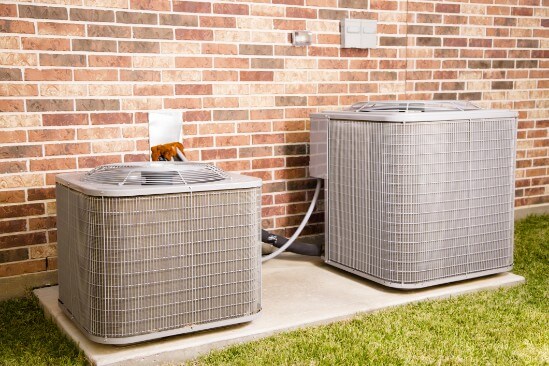
- Central air conditioning: Split-system air conditioners use indoor and outdoor equipment to remove heat and distribute cooled air through ductwork.
- Heat pumps: Heat pumps can provide both cooling and heating by moving heat in or out of the building. More detailed equipment information is available on our heat pump services page.
- Ductless mini-split systems: Ductless systems can provide cooling to individual rooms or zones without relying on a traditional central duct system.
- Air handlers and blowers: Indoor air-moving equipment helps circulate conditioned air through ducted cooling systems.
- Thermostats and controls: Temperature controls tell compatible cooling equipment when to operate and may also support staging, scheduling, zoning, or connected functions.
Common Cooling Problems
Cooling problems can come from more than one part of the HVAC system. What you notice gives our technicians a starting point, while inspection and testing help identify the actual cause.
- Comfort problems: No cooling, warm air, uneven temperatures, weak airflow, or excessive indoor humidity can all signal a cooling issue.
- Refrigeration problems: Compressor, coil, refrigerant, or expansion-device conditions can affect how effectively the system removes heat.
- Airflow problems: Filters, blowers, air handlers, ductwork, and coil conditions can affect how much air moves through the system and where it goes.
- Electrical and control problems: Capacitors, contactors, wiring, control boards, sensors, and thermostats can affect startup, cycling, and system response.
- Condensate and drainage problems: Drain pans, drain lines, float switches, and condensate pumps help manage the water produced during cooling.
How a Cooling System Works
Air conditioning depends on several systems working together. The refrigeration circuit removes heat, indoor airflow carries cooled air through the space, controls manage operation, and the condensate system handles moisture removed from the air.
Refrigeration
The compressor, condenser coil, evaporator coil, expansion device, refrigerant lines, and refrigerant work together to move heat from inside the building to the outdoors.
Airflow
The blower, air handler, filter, ductwork, registers, and returns help move conditioned air through a ducted system. Restricted or unbalanced airflow can affect comfort and cooling performance.
Controls
Thermostats, sensors, relays, contactors, control boards, and other controls help cooling equipment start, stop, stage, and respond to demand.
Condensate Management
Cooling equipment also removes moisture from indoor air. Drain pans, drain lines, float switches, and condensate pumps, where installed, help move that water away from the equipment.
Cooling Performance and Efficiency
Cooling performance depends on more than the efficiency rating of the outdoor unit. Equipment sizing, airflow, duct condition, thermostat settings, controls, maintenance, installation quality, building conditions, and outdoor temperatures can all affect comfort and energy use.
Variable-capacity equipment, inverter technology, zoning, and compatible smart controls may offer additional ways to manage cooling output and comfort, depending on the system.
AC not cooling the way it should? Call (833) 894-8221 or request an appointment. We’ll check the system and help you decide if repair, maintenance, or replacement makes the most sense.
Cooling Diagnostics and Testing
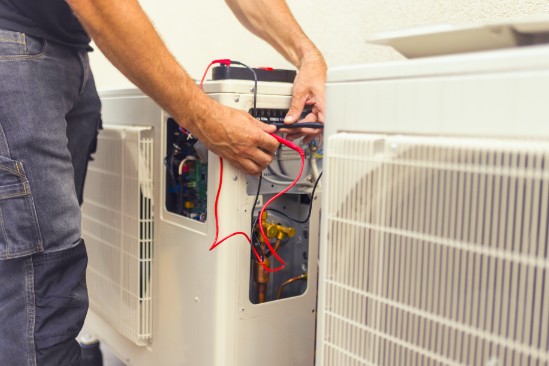
When a cooling problem is not obvious, diagnostic measurements can help show what is happening inside the system. The tests used depend on the equipment, refrigerant, symptoms, and conditions at the time of the appointment.
- Refrigerant pressure checks
- Superheat and subcooling measurements where applicable
- Supply and return temperature checks
- Airflow and static pressure testing
- Voltage and current measurements
- Capacitor and electrical testing
- Thermostat and control checks
- Leak detection when a refrigerant leak is suspected
- Condensate and drainage inspection
Cooling equipment can use different refrigerants, including R-410A and newer lower-global-warming-potential refrigerants such as R-454B or R-32, depending on the equipment. Older systems may use R-22. Refrigerants are not interchangeable, and service procedures must match the equipment and refrigerant in use.
What Happens During a Cooling Service Appointment?
1. Tell Us What You Have Noticed
We start with the changes you have seen, heard, felt, or noticed in the way the cooling system operates.
2. Inspect the Relevant Equipment
Our technicians review the equipment and system areas connected to the problem or service request.
3. Test the System
Relevant measurements and diagnostic checks help narrow down the cause of the problem or confirm the condition of the equipment.
4. Review the Findings
We explain what we found, what it means for the system, and which options are appropriate for the condition of the equipment.
5. Complete the Approved Work
Repair, maintenance, or other approved work is completed based on what the system needs and what you choose to move forward with.
6. Check Operation and Review Next Steps
After the work is complete, our technicians check the relevant system operation and explain anything that should be monitored, maintained, repaired, or planned for later.
Cooling Problems That May Need Emergency Service
Some cooling problems may need faster attention, especially when there are electrical warning signs, significant water leakage, a complete loss of cooling during extreme heat, or business operations and sensitive equipment are being affected.
- Complete cooling failure: Loss of cooling can become more urgent during periods of extreme heat or when indoor conditions affect people, equipment, or business operations.
- Electrical warning signs: Smoke, burning odors, repeated breaker trips, or other serious electrical symptoms should be checked before continued operation.
- Significant water leakage: Ongoing leakage can affect the equipment and surrounding materials and may need prompt attention.
- Commercial disruption: Cooling failures can affect customers, employees, inventory, equipment, or normal business operations.
Emergency and after-hours service availability varies by location. Contact your local Varsity Zone HVAC location to confirm current options.
Varsity Zone HVAC Service Locations
Varsity Zone HVAC provides cooling and HVAC services through locally operated teams across the country. Choose your local Varsity Zone HVAC location to see the services available in your area and request service from the franchise that serves your community.
Frequently Asked Questions About Cooling Services
Do I need to know what is wrong before I schedule cooling service?
No. Tell us what you have noticed and how the system has been behaving. Our technicians can inspect and test the relevant equipment to identify the likely cause.
Why can the same cooling problem have several causes?
Cooling depends on refrigeration, airflow, electrical controls, drainage, equipment capacity, and building conditions. A problem such as warm rooms or weak cooling can therefore come from several different parts of the system.
What is SEER2?
SEER2 is a seasonal cooling efficiency rating used for central air conditioners and heat pumps. It provides a standard way to compare rated cooling efficiency between qualifying systems.
Why do refrigerant type and equipment age matter?
Cooling equipment is designed for specific refrigerants and operating requirements. Older and newer systems can therefore have different refrigerant, component, service, and replacement considerations.
Can Varsity Zone HVAC help me decide between AC repair and replacement?
Yes. Varsity Zone HVAC can inspect the existing system, explain its condition and the repair required, and discuss replacement if the equipment condition or repair history makes that option worth considering.
Does every Varsity Zone HVAC location offer the same cooling services?
No. Equipment support, commercial capabilities, emergency availability, brands serviced, and appointment options can vary by location. Contact your local Varsity Zone HVAC team to confirm what is available in your area.
Related Cooling & HVAC Services
- Heating Services - Heating system repair, replacement, maintenance, and related HVAC support.
- Ductless Mini-Split Systems - Zoned heating and cooling without traditional central ductwork.
- Air Handlers - Indoor equipment that supports airflow, cooling, and compatible split-system operation.
- Indoor Air Quality - HVAC-related filtration, humidity, ventilation, and air-cleaning information.
- Smart Thermostats - Connected temperature controls, scheduling, compatibility, and other supported control features.
- Season Ticket Maintenance Plan - Recurring heating and cooling maintenance through the Varsity Zone HVAC maintenance program.







.2407151135103.png) Family Of Brands
.2408271115453.png "Groovy Hues")